I tried several diets, and the weight I lost often came back. Then my oldest daughter introduced me to intermittent fasting. I have personally lost 25 pounds using routines like the ones in my new book. That is my own experience, not a promise or a typical result.
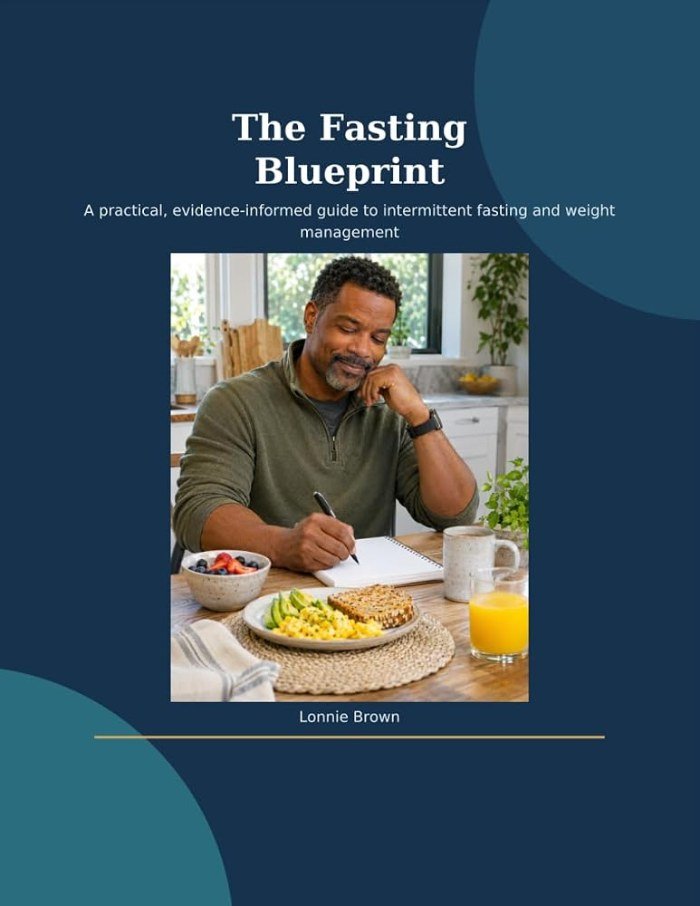
My book is called The Fasting Blueprint, and it is now available on Amazon in paperback and on Kindle. I wrote it to give a clear, balanced introduction to intermittent fasting and weight management, without promising quick fixes. Here is a closer look at what it covers and who it is for.
What intermittent fasting is
Intermittent fasting is about when you eat more than what you eat. You go without food for a set stretch of time, then eat during the rest. A good part of that fasting time can happen while you sleep, which is one reason many people find it easier to follow than a long list of food rules.
It is not a magic trick, and it is not the only way to manage weight. It is one approach, and the book treats it that way.
The schedules people talk about most
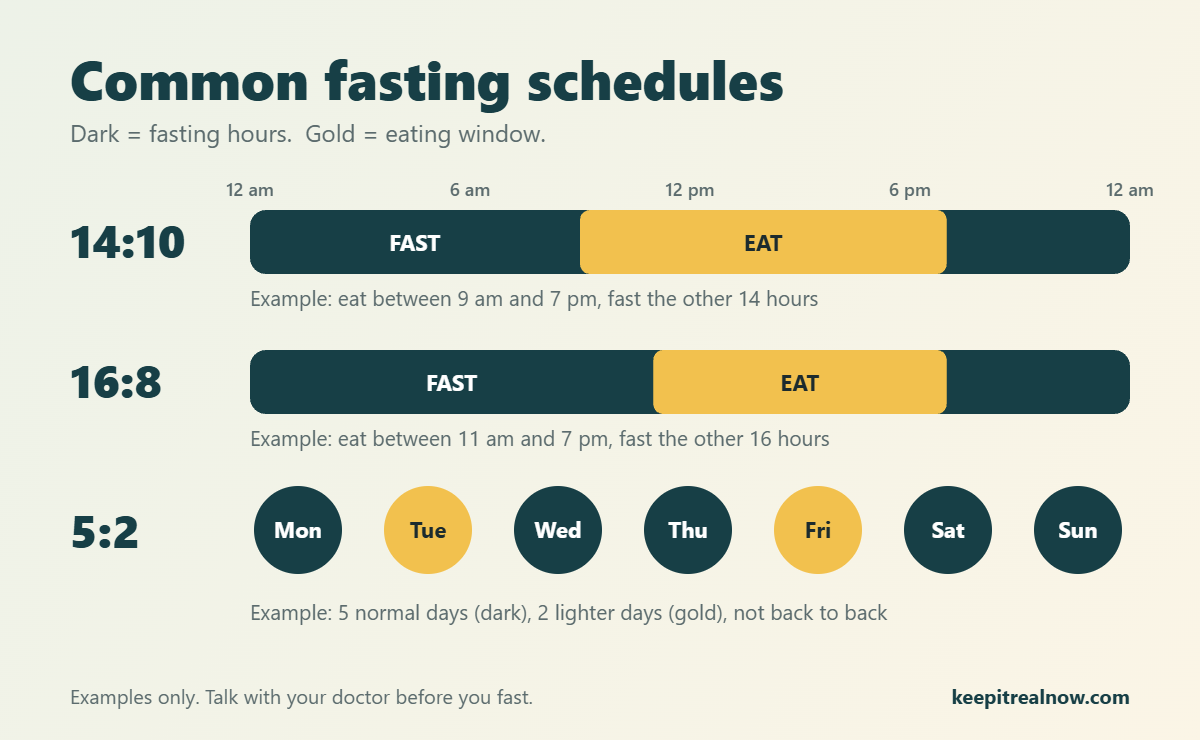
There is more than one way to do it. The book walks through the common schedules so you understand them before you decide anything. A few you will hear about:
- 14:10 – fast for 14 hours and eat within a 10-hour window.
- 16:8 – fast for 16 hours and eat within an 8-hour window, for example from late morning to early evening.
- 5:2 – eat normally five days a week and eat much less on two days that are not back to back.
No single schedule is right for everybody. What matters is what fits your health, your work, and your family life.
What the research can and cannot tell us
There is a lot of excitement about fasting, and a lot of big claims. I did not want to add to the noise. The book takes a careful look at published research and is honest about both sides: what the current evidence supports, and where the answers are still not clear.
I would rather tell you what is known and what is not than sell you a promise.
Safety comes first
Fasting is not right for everyone. People who are pregnant or breastfeeding, anyone under 18, people with a history of eating disorders, and people who take insulin or other medication tied to meals are commonly told not to fast, or to do it only with a doctor’s guidance.
That is why the book spends time on safety, medication timing, and individual health needs before it gets into any routine. If you take medication or have a health condition, talk with your doctor first.
More than a clock
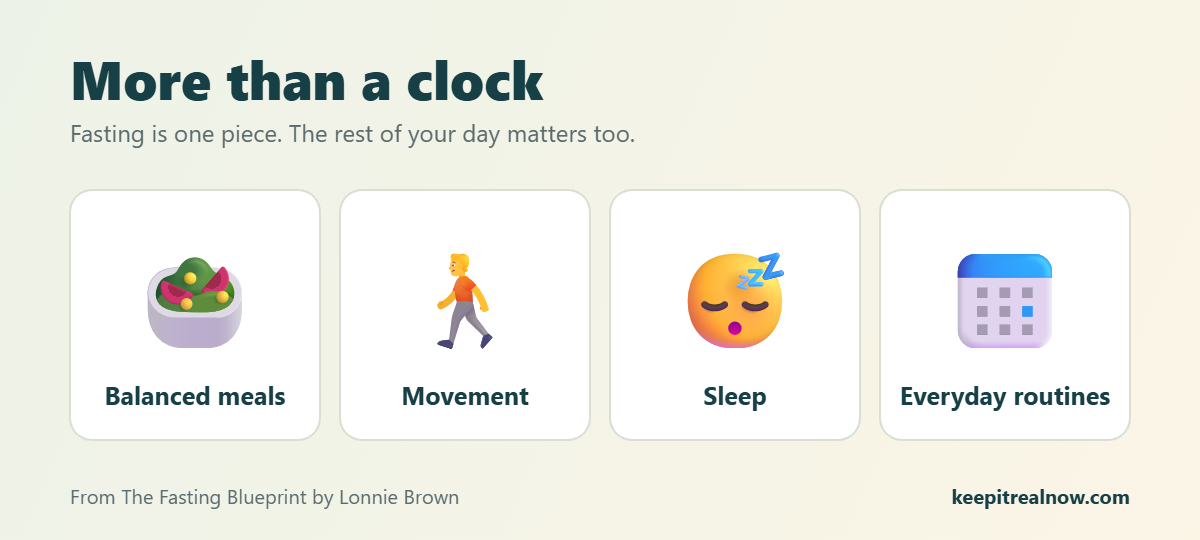
Watching the clock is only one piece. The book also shares flexible ideas for the rest of your day:
- Balanced meals
- Movement
- Sleep
- Everyday routines you can actually keep
A two-week learning plan
Inside you will find a two-week learning plan, reflection prompts, and planning pages. They are there to help you think through your choices and write down questions to take to a qualified health professional.
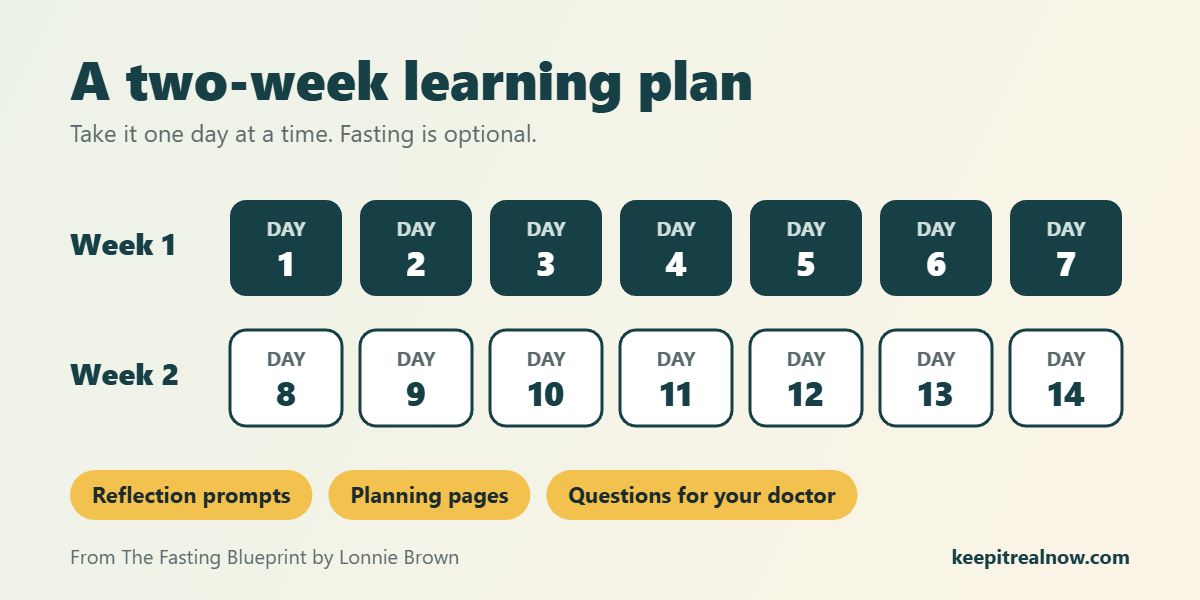
Fasting is optional. The goal is a safe, sustainable approach that fits real life.
Who this book is for
- Beginners who want a plain, honest introduction
- People who have tried diets and want to understand fasting before they start
- Anyone who wants good questions ready for their next doctor visit
Where to get it
View the paperback on Amazon · View the Kindle edition on Amazon
This post and the book are for educational purposes and are not a substitute for individualized medical advice. As an Amazon Associate, I earn from qualifying purchases.